
We have joined the Marine Mammal Advisory Group
© wildestanimal
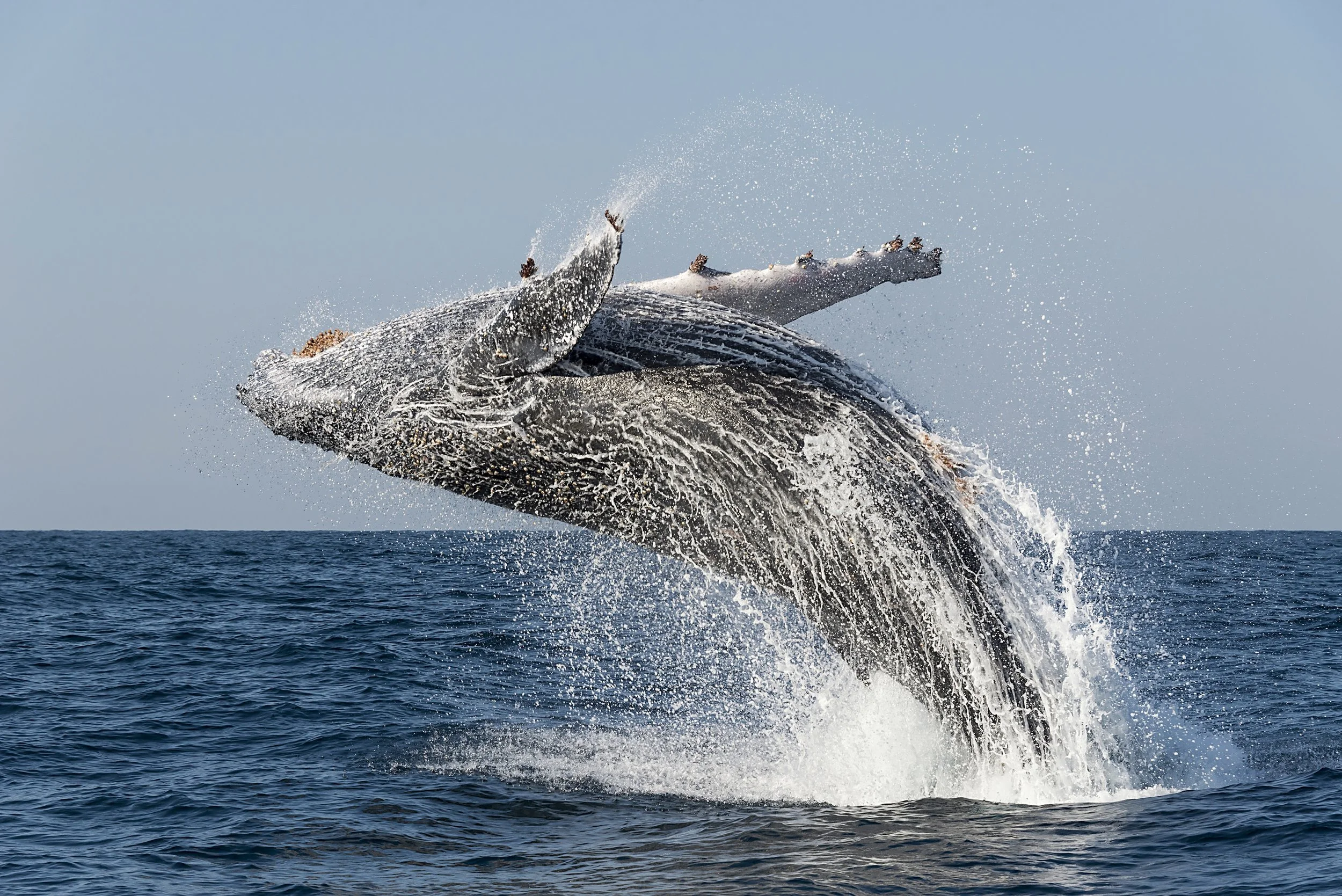
We spend a lot of time talking about what happens on the water when we are racing - the speed, the weather, the decisions made at three in the morning when the rest of the world is asleep. But there is another side to offshore sailing that doesn't always make the race reports and that is our impact on the ocean, and all that lives in it, just by being out there. As sailors, as a community, we have to do more to be aware of the impact of being on the ocean, and if something happens, we have to know what to do. That’s why our team has formally joined the Marine Mammal Advisory Group, and I want to tell you exactly what that means and why it matters to me personally.
What is the Marine Mammal Advisory Group?
The Marine Mammal Advisory Group (MMAG) was established in 2022 to bring together organizations and individuals across the marine and science sectors for a single shared mission: to reduce marine mammal strikes and collisions in the sailing and boating world. The work is led by Damian Foxall who was also part of 11th Hour Racing Team with me for The Ocean Race 2022-23.
Why this matters to me
The ocean has given me everything; my passion, my career, a deep sense of purpose. It is where I go to work most days. It is our life source. Every time I go to sea, I share the water with creatures that were there long before any of us. As sailors, we have a responsibility to protect them every chance we get because a healthy ocean is the only ocean worth racing across.
Officially joining MMAG - and implementing its advice within our team operations - ensures that we don’t just talk the talk. Protecting marine life is something we should all act on with the right tools, the right knowledge, and the right people alongside us.
© Maud Helfgott - polaRYSE/ 11th Hour Racing
What we are actually committing to
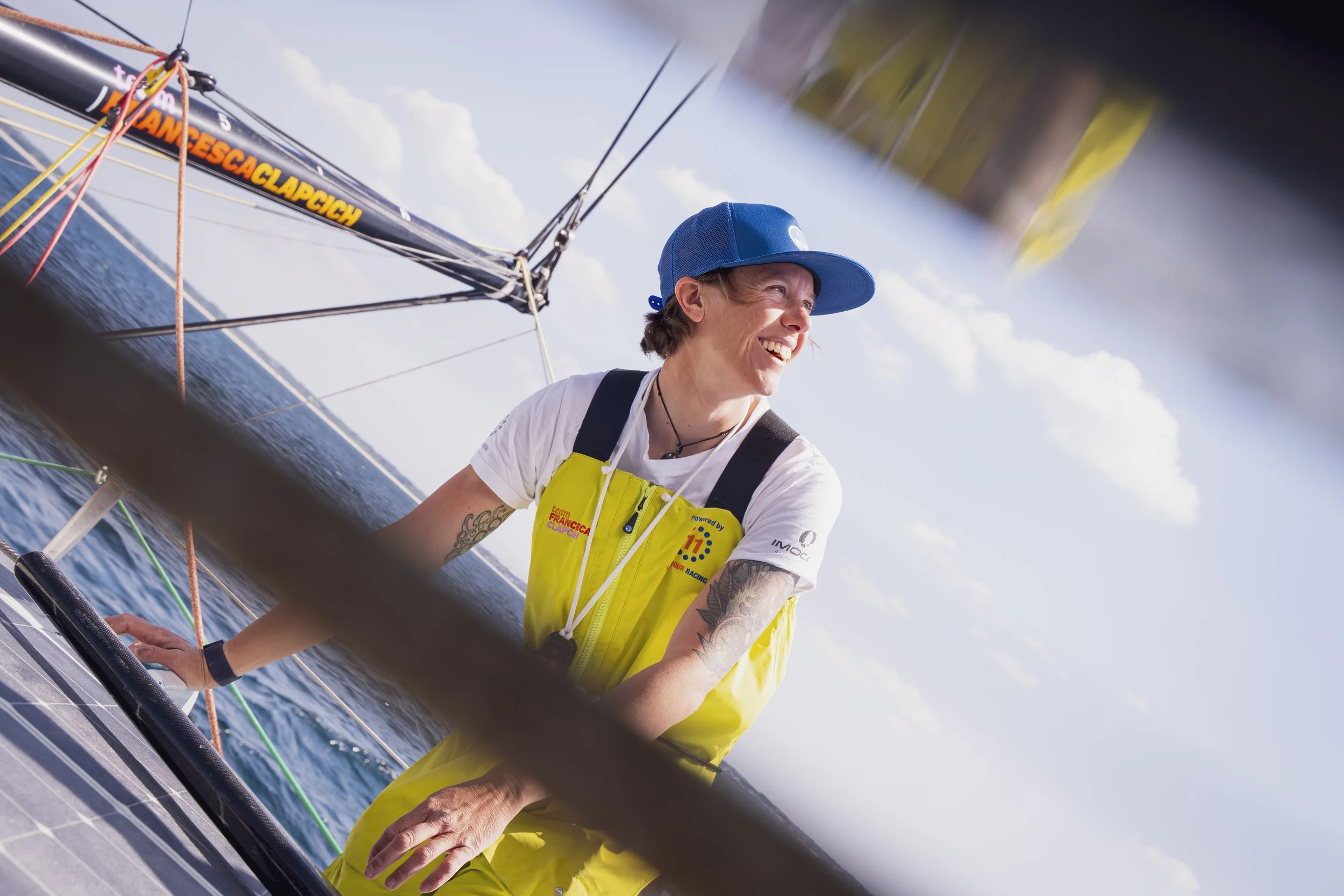
Emily Caroe, our Director of Communications and Purpose, and I have both joined at Ambassador level which is MMAG's highest tier of commitment. That means enhanced expectations around operational leadership, adopting best practices, and representing the sailing community within scientific and policy settings.
To make sure that responsibility is woven into everything we do, we have also created a dedicated Marine Mammals Committee within the team:
Francesca Clapcich — Chair and MMAG Ambassador
Emily Caroe — Communications Representative and MMAG Ambassador
Alberto Bona — Onboard Representative
Marcella Mamusa — Technical Representative
Louise Kergomard — Logistics Representative
As Emily said, “The more we share what we see and learn out on the water, the more we can turn the sailing community into a force for ocean protection.”
By building a committee with representatives across every department, we make sure the work is not siloed. Everyone in the organization knows our commitments and knows what they need to do practically to uphold them all the way from route planning and onboard watchkeeping to logistics and communications.
What it looks like in practice
Before we train in a new area, and before the start of every race, we produce a Nature Action Plan. This reviews which marine mammals may be present based on our charts, ensures everyone onboard knows how to report sightings using the WhaleAlert app, and covers how to use the Hazard Button system through our onboard Adrena software. It also includes a confidential process for reporting any incidents on the water to MMAG.
Our plan is to share these Nature Action Plans openly with other teams. By centralizing the resources, we can all draw on each other's learnings and experience and build a central bank of knowledge that is accessible to everyone in the fleet.
At sea, the MMAG commitment also means enhanced visual watchkeeping, carrying marine megafauna identification resources onboard, and being prepared to adjust our speed and routing to avoid marine life. At the organizational level, it means contributing our data to scientific programs and using our platform to drive citizen science and awareness.
The sailing community generates real data every time a boat goes to sea, MMAG is the framework that turns that data into protection. We want to be a team that does not just sail through the ocean — we want to actively contribute to understanding and safeguarding it.
This is just the beginning
I am proud of what we have committed to today. But I am more excited about what comes next: the Nature Action Plans, the data we will contribute, the conversations we will have with scientists and policymakers, and hopefully inspiring other teams to do the same. If you want to learn more about MMAG and the work they do, you can visit mmag.world.
The ocean gives us everything. It is time we gave something back.
