
Francesca Clapcich sets off on the race to the Arctic Circle onboard 11th Hour Racing
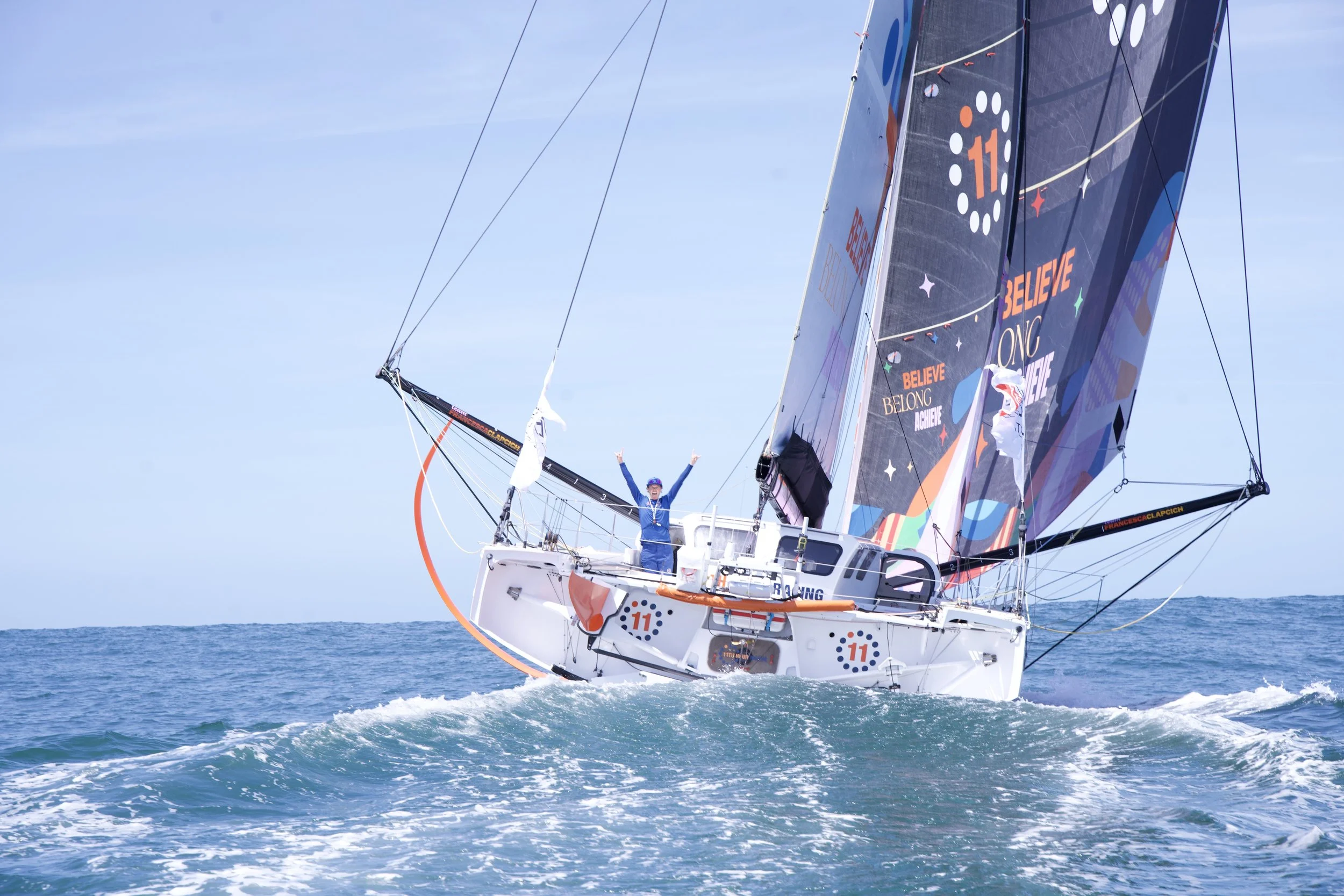
© Maud Helfgott - polaRYSE / 11th Hour Racing
At 1302 CEST (1102 UTC) on Sunday, June 7, 2026, Italian-American offshore sailor, Francesca Clapcich (38 years old) crossed the startline of the Vendée Arctique - Les Sables d’Olonne, one of the most innovative events in offshore racing. The race features no fixed course, no waypoint to round, and no single route to the finish. The nine-strong fleet will race to the Arctic Circle leaving Ireland to starboard, cross the line of latitude at 66 degrees north, before returning to Les Sables d’Olonne. The skippers’ strategic decisions will define the race from the very first miles sailed.
Clapcich said: “The first 24-hours of this race as we leave Les Sables d’Olonne are going to be one of the biggest challenges as the weather conditions are complicated. There is very little wind expected at the start and we’ll be working our way through a lot of big, long waves. I’ll have to be really focused after the start to make sure that I make the right decisions in the first few miles before we move into the next weather system.”
After a light wind start with just five knots of breeze, the fleet will have to contend with a huge variance of conditions throughout the 8-10 day race, with up to 30 knots [34mph | 55kmh] of wind and four meter high waves expected off the south west coast of Ireland, strong, cold currents off Iceland, and temperatures as low as freezing [32 degrees fahrenheit] expected.
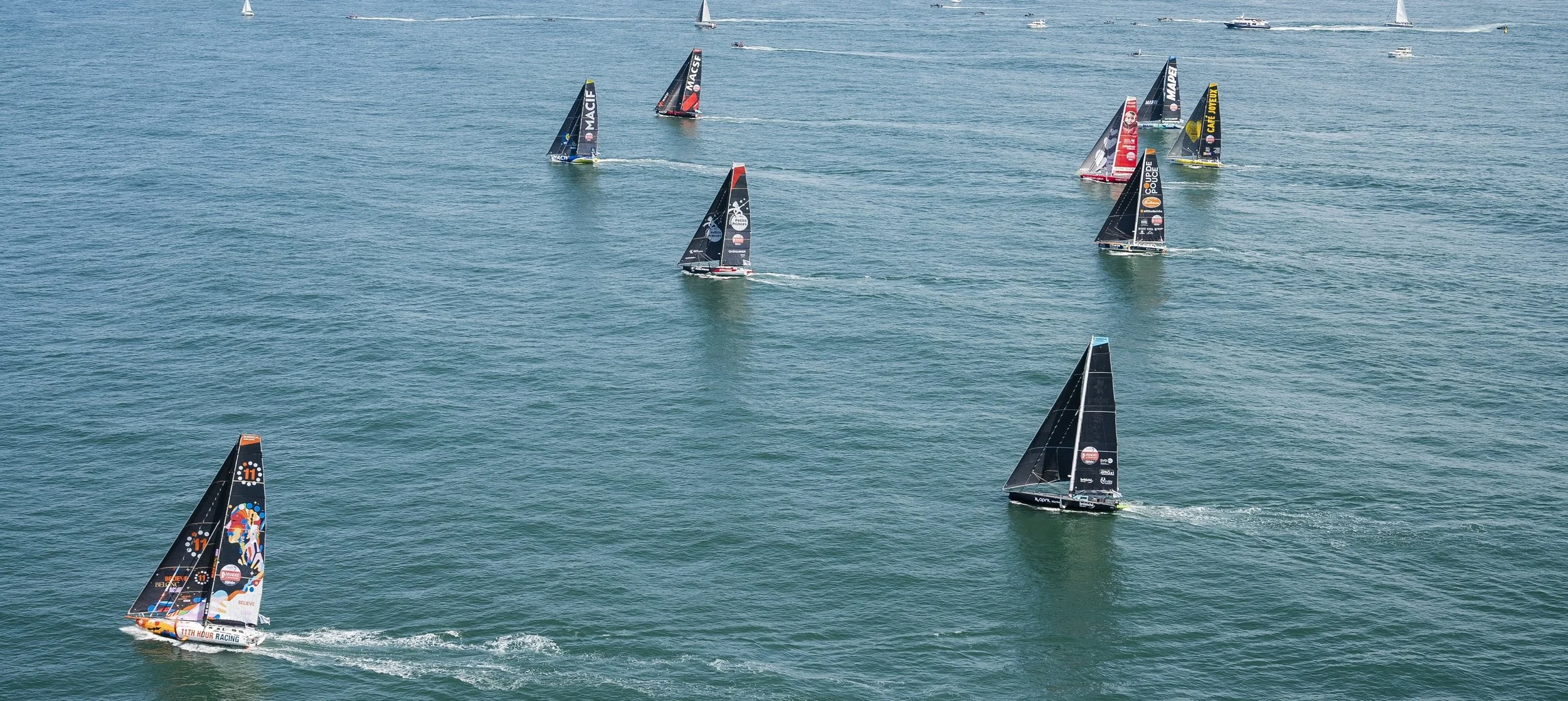
© Eloi Stichelbaut - polaRYSE / NEFSEA / SAEM Vendée
“One key goal of this race is building my experience in heavy weather, the kind of conditions I may face in the Southern Ocean in a few years’ time when I take on the Vendée Globe. My boat, 11th Hour Racing, is built for big waves and strong winds so I want to push it and find out what it can do,” said Clapcich.
While racing, Clapcich will support the Vendée Arctique’s citizen science program, deploying a weather buoy between 62 and 66 degrees latitude. The 28kg buoy with a 15m long drogue anchor will capture atmospheric pressure, ocean surface temperature, and currents at 15m deep, with the data sent in real time to Météo France, the official French meteorological administration.
Sébastien Peré from Météo-France explained the value of the science program. “These buoys allow us to take the pulse of the planet, gain a precise understanding of ocean health, monitor changes in ocean currents, and track the impacts of climate change, a type of data that satellites are unable to collect directly.”
The northerly deployment of the buoys provides valuable information to scientists. “These are areas where observational data remains scarce, which is why deploying these buoys is so important to improve weather forecasts in those regions,” commented Peré.
This is the second solo race of the year for Clapcich, after she finished fifth out of seven entries in the 1000 Race, in May, a course that took the sailors around the Bay of Biscay. Her time and finish position in the Vendée Arctique - Les Sables d’Olonne will count towards her qualification for the 2028 Vendée Globe, the world’s premier solo, non-stop, unassisted round-the-world sailing race.